The Essential Guide to Efficient HVAC Duct Manufacturing
Understanding HVAC Duct Systems
Components of HVAC Ducts
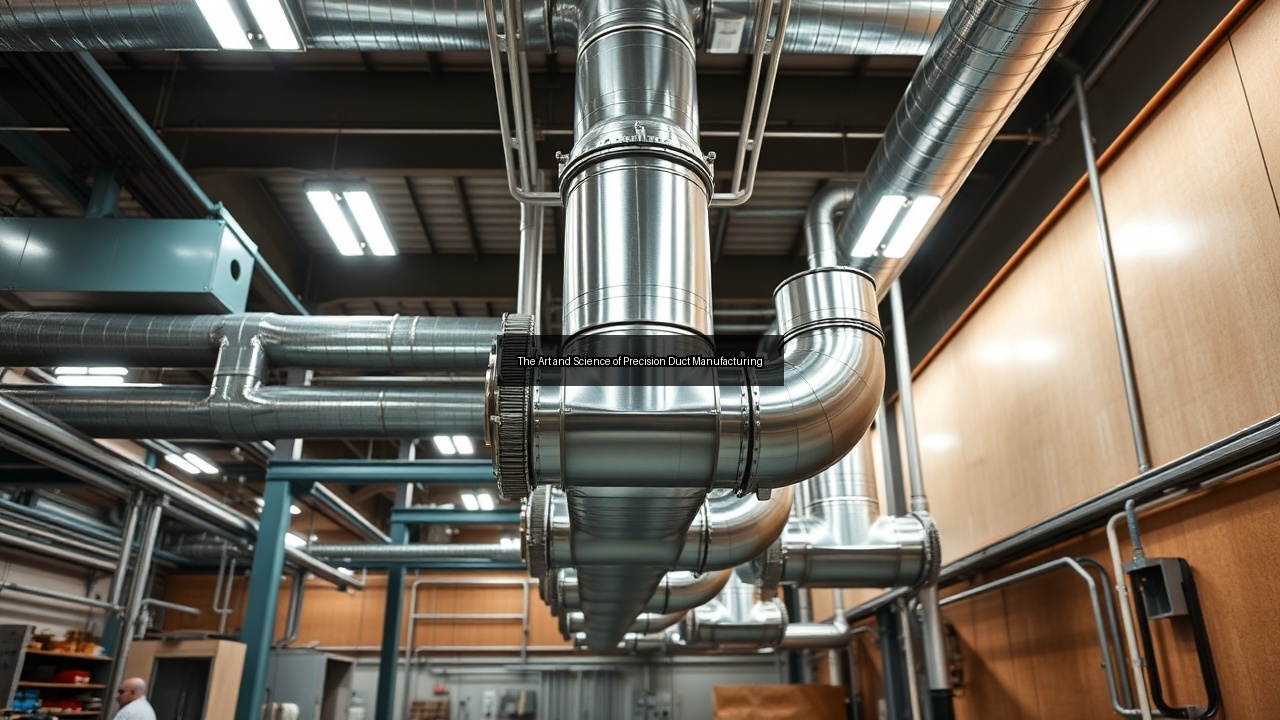
HVAC duct systems consist of several critical components that work together to facilitate effective air distribution within a building. At the core, ducts serve as pathways for conditioned air, whether heated or cooled, to flow into various spaces. Essential components include the main trunk line, which carries air from the HVAC unit to different areas, and branch ducts that divert air to specific rooms or zones. Other vital elements are diffusers and registers, which control the direction and volume of airflow. Additionally, duct insulation plays a significant role in minimizing energy loss, ensuring efficient operation. Understanding these components helps in optimizing the performance of HVAC systems and enhances the efficacy of ductwork fabrication.
Types of Ductwork: An Overview
Various types of ductwork exist, each designed for specific applications and environments. The most common materials used in duct fabrication include galvanized steel, aluminum, and flexible ducting. Galvanized steel provides durability and is ideal for high-pressure systems, while aluminum is lightweight and resistant to corrosion, making it suitable for residential applications. Flexible ducting, often made of plastic or insulated metal, offers versatility and ease of installation in tight spaces. Each type serves distinct purposes, influenced by factors such as airflow requirements, system pressure, and aesthetic considerations. Choosing the right type of ductwork impacts overall HVAC performance and energy efficiency.
Importance of Airflow in Duct Systems
Airflow stands as a fundamental aspect of HVAC duct systems, influencing comfort levels, energy consumption, and system efficiency. Proper airflow ensures that duct fabrication services conditioned air reaches all corners of a building, preventing hot or cold spots. A well-designed duct system promotes balanced airflow, which is essential for maintaining consistent temperatures throughout different areas. Furthermore, restricted airflow due to poorly designed ducts can lead to increased energy use and strain on the HVAC unit, potentially shortening its lifespan. Understanding the dynamics of airflow helps in the design and fabrication of effective duct systems, ultimately enhancing indoor air quality and comfort.
The Ductwork Fabrication Process
Materials Used in Duct Manufacturing
The choice of materials significantly impacts the quality and performance of ductwork fabrication. Galvanized steel remains the industry standard due to its strength and resistance to rust, making it suitable for a wide range of HVAC applications. Aluminum, lighter and more corrosion-resistant, is increasingly popular for residential installations. Other materials, such as fiberglass and flexible ducting, offer insulation benefits, reducing energy loss and improving overall system efficiency. Each material has unique characteristics that affect durability, cost, and ease of installation. Selecting the appropriate material based on project requirements ensures that the ductwork meets performance expectations and adheres to industry standards.
Key Steps in Duct Fabrication
The duct fabrication process involves several essential steps to ensure precision and quality. Initially, accurate measurements and specifications are gathered to create a blueprint for the duct system. This phase includes calculating the necessary duct length and size, as well as determining the layout of the ductwork. Next, the chosen materials are cut and shaped according to the design. Techniques such as welding, seaming, and riveting may be employed to assemble the ducts securely. Following assembly, ducts undergo inspection to ensure they meet quality standards before installation. This thorough fabrication process guarantees that the final product will perform effectively within the HVAC system.
Utilizing Fabrication Services for Efficiency
Outsourcing ductwork fabrication to specialized services offers significant advantages for HVAC professionals and contractors. Dedicated fabrication services possess the expertise and equipment necessary to produce high-quality duct systems efficiently. By leveraging advanced technology and skilled labor, these services minimize production time and reduce errors, ensuring precision in every piece fabricated. Additionally, collaborating with established manufacturers allows for cost-effective solutions, as they often have access to bulk materials and streamlined processes. Utilizing professional fabrication services not only enhances the quality of the ductwork but also frees up time for HVAC specialists to focus on installation and customer service.
Calculating Duct Length and Size
Using a Duct Calculator for Accurate Measurements
Accurate calculation of duct length and size plays a vital role in the performance of an HVAC system. Utilizing a duct calculator streamlines this process, allowing HVAC professionals to input specific data such as air flow rates, duct materials, and system configurations. These calculators provide precise recommendations for duct dimensions, optimizing airflow and reducing pressure loss. By inputting values such as the desired airflow in cubic feet per minute (CFM), users can determine the ideal duct diameter, ensuring that the system operates efficiently. Accurate sizing prevents common issues such as noise, energy inefficiency, and uneven temperature distribution, contributing to a more reliable HVAC experience.
Factors Affecting Duct Size and Length
Several factors influence the sizing and length of ducts in an HVAC system. The volume of air that needs to be delivered plays a crucial role; larger spaces require larger ducts to maintain adequate airflow. Additionally, the layout of the building and the presence of obstacles can affect the length and configuration of duct runs. The type of HVAC system also dictates duct size; for example, high-velocity systems may use smaller ducts compared to traditional systems. Efficiency considerations, such as minimizing bends and turns in duct runs, also impact the overall design. Understanding these factors ensures that ductwork fabrication leads to optimal system performance.
Optimizing Airflow with Proper Duct Dimensions
Proper duct dimensions are essential for optimizing airflow within HVAC systems. When ducts are too small, airflow becomes restricted, leading to reduced efficiency and increased energy costs. Conversely, oversizing ducts can result in decreased air pressure and increased noise levels. Striking the right balance is key; accurately sized ducts maintain consistent airflow, ensuring that every room receives adequate heating or cooling. Effective ductwork fabrication takes these dimensions into account, allowing for smooth transitions and minimal resistance. By focusing on optimizing duct dimensions, HVAC professionals can enhance system performance, reduce energy consumption, and improve overall indoor air quality.
Best Practices for Ductwork Installation
Ensuring Proper Sealing and Insulation
Proper sealing and insulation of ductwork is crucial for maximizing HVAC system efficiency. Leaky ducts can lead to significant energy loss, causing the system to work harder and increasing utility bills. Sealing joints and connections with mastic or specialized duct tape prevents air leaks, ensuring that conditioned air reaches its intended destination. Additionally, insulating ducts located in unconditioned spaces, such as attics or crawl spaces, helps maintain air temperature, reducing energy waste. Implementing these best practices during installation not only enhances system performance but also contributes to a more comfortable indoor environment.
Common Mistakes in Duct Installation
Several common mistakes can undermine the effectiveness of duct installation. One prevalent issue is improper sizing, leading to airflow problems that can impact the entire HVAC system. Another frequent mistake involves poor sealing; without adequate sealing, ducts can develop leaks, resulting in energy loss and reduced efficiency. Installing ducts without considering the building's layout may also lead to unnecessary bends and turns, further hampering airflow. Awareness of these potential pitfalls allows HVAC professionals to execute installations more effectively, ensuring that ductwork systems operate smoothly and efficiently.
Maintaining Your HVAC Duct System for Longevity
Regular maintenance of HVAC duct systems is essential for ensuring their longevity and optimal performance. Routine inspections can identify issues such as leaks, blockages, or signs of wear. Cleaning ducts periodically helps to remove dust, debris, and allergens, improving indoor air quality and system efficiency. Additionally, checking insulation and sealing can prevent energy loss and maintain consistent temperatures. Implementing a maintenance schedule helps extend the lifespan of the ductwork and the overall HVAC system, ultimately leading to enhanced comfort and reduced energy costs over time.