How to Choose the Right Ductwork Fabrication Services for Your Project
Understanding Ductwork Fabrication Services
What is Ductwork Fabrication?
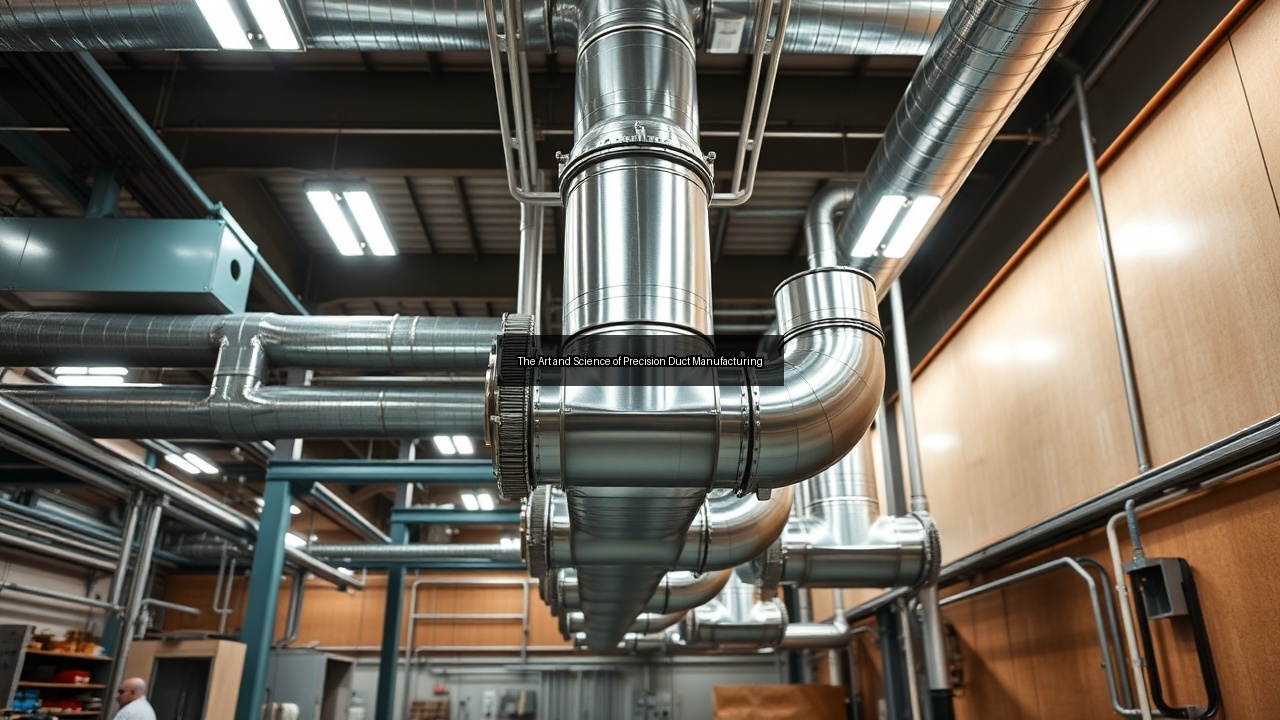
Ductwork fabrication creates custom air ducts and hvac ducts from raw materials for heating, ventilation, and cooling projects. Fabricators measure site requirements then cut and assemble components that direct airflow through buildings. This service produces straight sections, elbows, transitions, and dampers that integrate into complete duct systems. Professionals rely on detailed blueprints to shape every piece accurately before delivery. Ductwork fabrication services often specialize in sheet metal ductwork for commercial and industrial applications. The process supports both new construction and retrofits where standard sizes fail to match unique layouts. Accurate fabrication reduces installation time and prevents leaks that waste energy. Clients receive components ready for quick connection on site.
Importance of Quality Duct Fabrication
Quality duct fabrication directly affects hvac system performance and operating costs. Well-made ducts maintain consistent airflow and prevent pressure drops that force equipment to work harder. Poor fabrication leads to gaps, misaligned joints, and vibration that shorten equipment life. Reliable ductwork fabrication services follow strict tolerances and use reinforced seams to handle varying air pressures. High standards also improve indoor air quality by limiting dust accumulation inside air ducts. Building owners notice lower utility bills and fewer service calls when ducts arrive precisely engineered. Quality fabrication supports compliance with energy codes and fire safety regulations. Investing in skilled fabrication prevents expensive rework during installation.
Common Materials Used in Duct Manufacturing
Sheet metal remains the primary choice for most ductwork fabrication projects because it offers strength and longevity. Galvanized steel resists corrosion in standard hvac ductwork applications. Aluminum provides lighter weight for rooftop installations where structural load matters. Stainless steel appears in laboratories and food processing plants that demand chemical resistance. Fabricators also form fiberglass duct boards for thermal insulation needs in conditioned spaces. Each material undergoes specific cutting and joining techniques during manufacturing. Selection depends on temperature ranges, humidity levels, and acoustic requirements of the duct systems. Proper material choice in ductwork fabrication prevents premature failure and maintains efficient airflow throughout the building.
Key Factors to Consider When Choosing Services
Experience and Expertise in HVAC Ductwork
Experience in hvac ductwork separates capable fabricators from those still learning on the job. Seasoned teams understand how different building types influence duct routing and support needs. They recognize common challenges such as tight ceiling spaces or vibration isolation requirements. Expertise shows in accurate takeoffs from architectural drawings and the ability to suggest value-engineered alternatives. Companies with years of ductwork fabrication experience maintain relationships with suppliers that speed material delivery. Their knowledge of local codes prevents costly compliance issues later. Clients benefit when fabricators have completed similar projects in hospitals, schools, or manufacturing facilities. Proven expertise reduces surprises during installation and keeps projects on schedule.
Customization Options for Duct Systems
Customization options allow ductwork fabrication services to match exact project specifications rather than forcing standard parts. Fabricators produce non-standard angles, multiple branch takeoffs, and insulated sections in one run. Advanced shops handle spiral duct, rectangular duct, and oval profiles within the same facility. They also integrate access doors, fire dampers, and sound attenuators directly into the duct systems. Strong customization capability proves essential for renovations where existing infrastructure limits layout choices. Clients receive precise fittings that align with equipment connections without field modifications. This flexibility improves overall system efficiency and reduces labor costs at the job site. Effective customization starts with clear communication between the client and fabrication team.
Quality Assurance and Testing Procedures
Quality assurance in ductwork fabrication includes dimensional checks, weld inspections, and pressure testing before shipment. Reputable services verify every piece against approved drawings using calibrated tools. They pressure test sample assemblies to confirm joints hold under specified static pressures. Documentation of these tests gives project managers confidence that delivered ductwork will perform as designed. Some fabricators apply leak testing to entire runs of duct systems when specifications demand it. Consistent quality procedures catch errors early and prevent installation delays. Clients should request records of recent test results to evaluate a provider’s commitment to standards. Thorough testing protects both building performance and long-term maintenance budgets.
Evaluating Ductwork Fabrication Companies

Assessing Reviews and Testimonials
Reviews and testimonials reveal how ductwork fabrication companies handle real projects and client expectations. Look for consistent comments about on-time delivery, accurate dimensions, and responsive communication. Past clients often mention how well the fabricated ducts integrated with other trades during installation. Independent review platforms provide unfiltered feedback that company websites may omit. Contact references directly to ask about any challenges that arose and how the fabricator resolved them. Strong testimonials frequently highlight expertise in complex hvac ductwork or tight project schedules. Patterns in reviews help identify providers who consistently deliver reliable duct systems. This step filters out companies with repeated quality or service complaints.
Comparing Cost Estimates and Quotes
Cost estimates from multiple ductwork fabrication services clarify pricing structures and scope differences. Request detailed breakdowns that separate material, labor, and shipping charges. Low bids sometimes omit critical items such as reinforcement or special coatings. Compare quotes on equal terms by verifying that each proposal covers the same specifications and quantities. Transparent providers explain how material choices affect final pricing. Factor in lead times because rushed orders increase costs significantly. A slightly higher quote may include better quality assurance and fewer change orders later. Thorough comparison prevents budget overruns once fabrication begins.
Understanding the Fabrication Process
Understanding the fabrication process helps clients set realistic timelines and coordinate with other trades. The sequence typically starts with drawing review followed by material ordering and cutting. Shops then form, assemble, and label components before packaging for delivery. Some ductwork fabrication services offer shop drawings for client approval before production starts. Knowledge of this workflow allows project managers to schedule site access and crane time effectively. It also highlights where bottlenecks may occur, such as custom fittings that require extra forming steps. Clear process visibility improves communication and reduces misunderstandings between the client and fabricator. This insight supports smoother project execution from order to installation.
Tools and Calculators for Ductwork Projects
Using Duct Length Calculators
Duct length calculators simplify material takeoffs by converting architectural measurements into accurate linear footage. Users input ceiling heights, run distances, and fitting counts to generate totals. These tools account for overlap at joints and allowances for transitions. Fabricators often provide online calculators that match their specific manufacturing capabilities. Accurate length data prevents over-ordering or shortages that delay ductwork fabrication. Project teams can adjust routes quickly when the calculator updates totals in real time. This resource improves budget accuracy and supports faster quoting for hvac ductwork projects.
Determining Airflow Requirements
Determining airflow requirements ensures duct systems deliver the correct volume to each zone. Engineers calculate cubic feet per minute based on room loads, occupancy, and equipment capacity. Proper sizing maintains design velocities that balance noise control and energy use. Ductwork fabrication services use these values to select gauge thickness and reinforcement patterns. Undersized ducts create excessive pressure drop while oversized ducts waste material and space. Accurate airflow data guides every decision from material selection to damper placement. Teams that verify requirements early avoid expensive modifications after fabrication starts.
Estimating Installation Costs
Estimating installation costs requires factoring in both material and labor for complete duct systems. Calculators break down expenses by linear foot, fitting type, and support hardware. They also include allowances for insulation, sealing, and testing. Accurate estimates help owners compare bids from different ductwork fabrication providers on equal footing. Installation costs rise with building height, access limitations, and coordination with other mechanical trades. Detailed calculators reveal these variables before commitments are made. Project budgets stay realistic when estimates incorporate current labor rates and material prices.
Maintaining Efficiency in Ductwork Systems

Importance of Proper Airflow in HVAC Systems
Proper airflow in hvac systems determines comfort levels and energy consumption throughout a building. Well-designed ductwork maintains balanced pressure that allows equipment to operate at peak efficiency. Restricted airflow forces fans to run longer and raises utility costs. Correct duct sizing and smooth interior surfaces reduce turbulence that wastes fan energy. Regular verification of airflow after installation confirms that fabrication met design intent. Building operators notice stable temperatures and quieter operation when ducts deliver intended volumes consistently. Attention to airflow during the planning stage prevents performance issues that surface months after occupancy.
Tips for Maintaining Ducts and Air Ducts
Maintaining ducts requires scheduled inspections that catch dirt buildup and joint deterioration early. Technicians clean air ducts with brushes and vacuums to restore original airflow capacity. They also check seals at connections and replace damaged insulation that affects thermal performance. Access doors installed during fabrication simplify these tasks without major disruption. Filter changes at regular intervals protect downstream ductwork from excessive loading. Documentation of maintenance visits helps track system condition over time. Consistent care extends the service life of duct systems and preserves indoor air quality.
Common Issues in Duct Systems and Their Solutions
Common issues in duct systems include leaks at joints, unbalanced airflow, and condensation on exterior surfaces. Solutions start with proper sealing during fabrication using gasketed connections and mastic. Rebalancing dampers corrects zones that receive too much or too little air. Adding insulation prevents moisture problems in unconditioned spaces. Fabricators can retrofit access panels when original designs lack adequate entry points. Addressing these issues promptly avoids higher energy bills and comfort complaints. Proactive maintenance combined with quality initial fabrication keeps ductwork performing reliably for decades.