Understanding the Ductwork Fabrication Process from Start to Finish
Overview of Ductwork Fabrication
Importance of Ducts in HVAC Systems
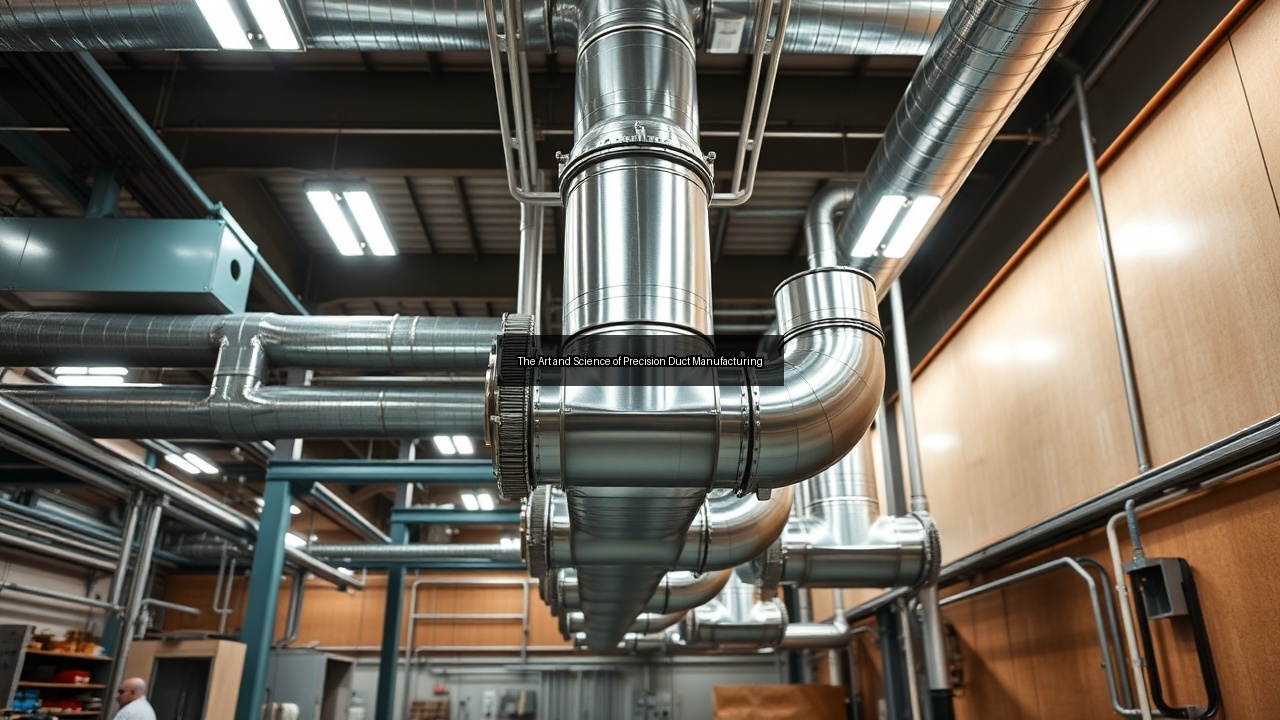
Ducts form the backbone of every HVAC system by channeling conditioned air throughout buildings. Without properly fabricated ductwork, airflow suffers and energy costs rise. Contractors rely on precise ductwork fabrication to create pathways that deliver consistent temperatures and maintain indoor air quality. This process directly influences system performance because poorly made ducts leak or restrict movement, forcing equipment to work harder.
Modern buildings demand reliable duct systems that handle varying loads without noise or inefficiency. Ductwork fabrication ensures each section fits the architectural layout exactly. When fabricators follow accurate measurements, they reduce installation time and prevent future repairs. HVAC professionals recognize that quality fabrication supports both comfort and compliance with energy codes. Owners who invest in solid ductwork see lower utility bills and fewer service calls over the life of the system.
Effective ducts also protect equipment longevity. Restricted airflow strains fans and compressors, leading to premature failures. Through careful ductwork fabrication, teams create smooth interiors that promote steady movement and minimize turbulence. This attention to detail turns raw sheet metal into functional air highways that serve homes, offices, and industrial spaces alike.
Key Components of Duct Systems
Every duct system includes straight sections, elbows, transitions, and dampers that work together. Straight runs carry air over distance while elbows redirect flow around obstacles. Transitions connect different sizes or shapes without creating bottlenecks. Fabricators produce these parts during ductwork fabrication to match project specifications exactly.
Registers and grilles finish the system by controlling how air enters rooms. Insulated panels and sealants added during fabrication prevent condensation and heat loss. Hangers and supports keep everything aligned once installed. Each component undergoes the same rigorous duct fabrication process so the entire network functions as one cohesive unit.
Plenums and mixing boxes further refine air distribution. These elements blend supply and return streams when needed. Fabricators cut and assemble them with precision to avoid pressure drops. The result is a complete ductwork system ready for connection to heating and cooling equipment. Attention to every piece during manufacturing guarantees balanced performance across the building.
The Ductwork Fabrication Process
Step 1: Design and Planning
Design begins with detailed blueprints that map every run of ductwork through the structure. Engineers calculate required airflow rates and static pressure before any cutting starts. This planning stage identifies potential conflicts with structural elements or other trades. Accurate drawings prevent costly rework later in the ductwork fabrication sequence.
Teams review load calculations and room-by-room requirements to size each duct properly. They mark locations for dampers, access doors, and fire-rated barriers on the plans. Software helps visualize three-dimensional paths and flag clearance issues early. Thorough planning ensures the finished ductwork meets both performance targets and code demands without surprises during installation.
Coordination meetings with architects and mechanical contractors refine the design further. Changes at this stage cost far less than modifications after fabrication begins. Clear documentation guides every subsequent step and serves as reference for quality checks. Solid planning sets the foundation for efficient manufacturing of all HVAC ducts.
Step 2: Material Selection
Material choice determines durability, cost, and compatibility with the environment. Galvanized steel remains the standard for most commercial projects because it resists corrosion. Aluminum offers lighter weight for rooftop applications while stainless steel suits corrosive or cleanroom settings. Fabricators select gauges based on duct size and operating pressure during the ductwork fabrication process.
Insulation options include internal liners or external wraps that control condensation and noise. Sealants and gaskets chosen at this stage maintain airtight joints throughout the system. Material decisions also factor in fire ratings and acoustic performance. Proper selection avoids callbacks and ensures the ductwork performs reliably for decades.
Suppliers deliver coils or sheets in specified widths to minimize waste. Fabricators verify certifications and thickness before production starts. Matching material properties to project conditions prevents premature degradation. This careful approach during duct fabrication services produces HVAC ductwork that withstands daily use and seasonal demands.
Step 3: Cutting and Shaping the Sheet Metal
Automated plasma or laser cutters translate digital patterns into precise flat patterns. Operators load coil stock and let machines cut straight lengths, elbows, and fittings with minimal scrap. Accuracy at this stage determines how well pieces fit together later. Consistent edges reduce leakage once assembled into finished ductwork.
Press brakes then form flanges and seams along cut blanks. Rollers create curved sections for round or oval ducts. Workers check each piece against templates to catch deviations immediately. Proper shaping maintains structural integrity without weakening the metal during ductwork fabrication.
Hand tools handle custom adjustments when machines reach their limits. Fabricators add stiffeners to large panels that might otherwise flex under pressure. Every cut and bend follows the original design to preserve intended airflow characteristics. This phase turns flat sheets into three-dimensional components ready for assembly.
Tools and Techniques in Duct Fabrication
Essential Tools for Duct Manufacturing
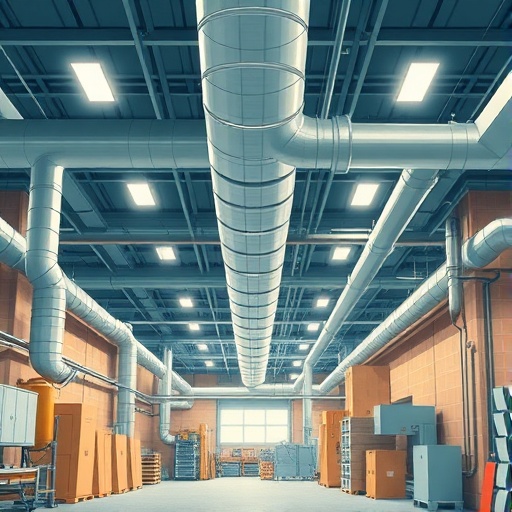
Shears, notchers, and seamers form the core of any duct shop. Hydraulic shears slice through heavy gauge metal quickly. Notchers create clean corners for folded seams while seamers lock edges together securely. These tools speed production while maintaining the tight tolerances required for quality ductwork fabrication.
Plasma tables and CNC folders handle repetitive work with speed and repeatability. Handheld plasma cutters allow quick field modifications when needed. Measuring devices such as laser levels and digital calipers verify dimensions at every stage. Proper tooling investment separates professional duct fabrication services from makeshift operations.
Safety equipment protects workers during cutting and forming operations. Dust collection systems keep the shop environment clean. Regular maintenance keeps blades sharp and machines aligned. Reliable tools directly influence the consistency and speed of HVAC ductwork production from start to finish.
Common Techniques for Duct Assembly
Lock seams and Pittsburgh seams provide strong, airtight joints without welding. Fabricators fold edges then hammer or roll them closed for permanent connections. Snap-lock systems speed residential installations while maintaining good seal integrity. Each technique suits different pressure classes and installation environments.
Butt welding joins stainless or specialty metals when mechanical seams cannot suffice. Gasketed flanges allow easy disassembly for maintenance. Internal tie rods reinforce large ducts against collapse under negative pressure. Assembly methods chosen during ductwork fabrication affect both initial cost and long-term serviceability.
Sealants applied at joints close microscopic gaps that mechanical methods miss. Mastic or tape finishes create continuous barriers against leakage. Proper assembly technique ensures the final duct system meets specified leakage rates. Skilled application of these methods produces reliable HVAC ducts ready for balancing.
Quality Control in Ductwork Fabrication
Testing for Airflow Efficiency
Leakage tests measure how much air escapes joints under operating pressure. Technicians pressurize sections and record leakage rates against industry benchmarks. Low leakage confirms the ductwork fabrication process produced tight connections throughout. High readings trigger resealing before installation proceeds.
Airflow measurements verify that actual velocity matches design calculations. Pitot tubes and anemometers check supply and return branches individually. Balanced readings confirm that dampers and transitions function correctly. Testing catches restrictions that could reduce system efficiency or create hot and cold spots.
Sound testing identifies rattles or vibrations caused by poor assembly. Visual inspections catch dents, misalignments, or missing reinforcements. Documentation of all tests provides proof of performance for building owners and inspectors. Consistent quality control protects the reputation of any duct fabrication service provider.
Standards and Compliance in HVAC Ductwork
SMACNA guidelines establish construction standards for duct thickness, reinforcement, and joint methods. Fabricators reference these manuals to meet pressure class requirements. Local codes often adopt or modify these standards, requiring shops to stay current with revisions. Compliance during ductwork fabrication prevents failed inspections and project delays.
Fire damper and smoke control standards demand exact sleeve dimensions and access provisions. Energy codes specify insulation levels and maximum leakage allowances. Third-party certification programs verify that shops follow proper procedures consistently. Adherence to these rules produces HVAC ductwork that satisfies both safety and efficiency mandates.
Record keeping supports warranty claims and future modifications. Traceable material lots and test results demonstrate due diligence. Shops that embed compliance into every step of fabrication reduce liability and build client trust. Meeting standards transforms basic manufacturing into professional duct fabrication services valued by contractors and engineers.
Choosing Duct Fabrication Services
Factors to Consider When Selecting a Fabrication Service
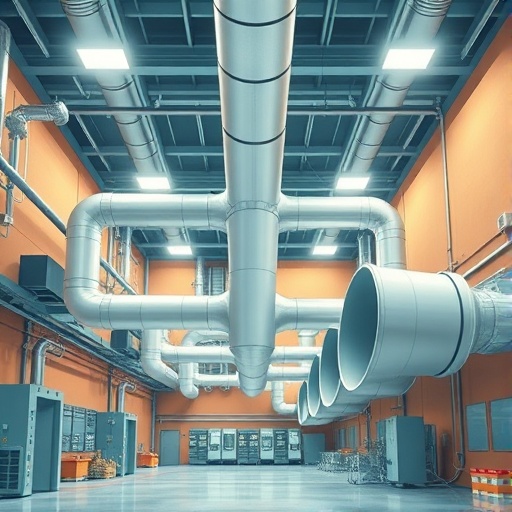
Experience with similar project types ranks high among selection criteria. Shops familiar with high-pressure systems or cleanroom requirements deliver better results. Capacity to handle volume without sacrificing quality prevents schedule slips. References from recent jobs reveal real-world performance of their ductwork fabrication.
Lead times and shop loading affect project timelines. Fabricators with in-house engineering support resolve design questions faster. Warranty terms on workmanship and materials provide peace of mind after installation. Competitive pricing matters, yet low bids often signal shortcuts in material or labor quality.
Communication practices determine how smoothly changes propagate through production. Digital file exchange speeds coordination. On-site visits during fabrication allow early detection of issues. Selecting a partner that values transparency produces HVAC ductwork that meets expectations without surprises.
Using a Ductwork Calculator for Accurate Measurements
A ductwork calculator converts room loads into required duct sizes instantly. Users input length, airflow, and friction rate to generate diameter or rectangular dimensions. This tool removes guesswork from initial layouts and reduces errors passed to fabrication teams. Accurate sizing prevents both undersized restrictions and oversized waste.
Advanced calculators account for fitting equivalent lengths and elevation changes. They generate material takeoffs that guide purchasing decisions. Fabricators cross-check shop drawings against calculator outputs to confirm consistency. Integration of these tools throughout the process improves overall accuracy of duct systems from design through installation.
Field technicians carry mobile versions to verify measurements on site. Quick recalculations accommodate last-minute layout changes. Consistent use of a reliable calculator supports the precision demanded by modern ductwork fabrication standards. Projects that apply this approach finish with balanced airflow and satisfied clients.